Hong Kong’s dynamic economy is matched only by its challenging subtropical climate. Characterized by intense summer heat, oppressive humidity, and a typhoon season that can bring business to a standstill, the environment itself presents a significant risk to inventory. For businesses dealing in sensitive goods, from advanced electronics to life-saving pharmaceuticals, a standard warehouse is simply not enough.
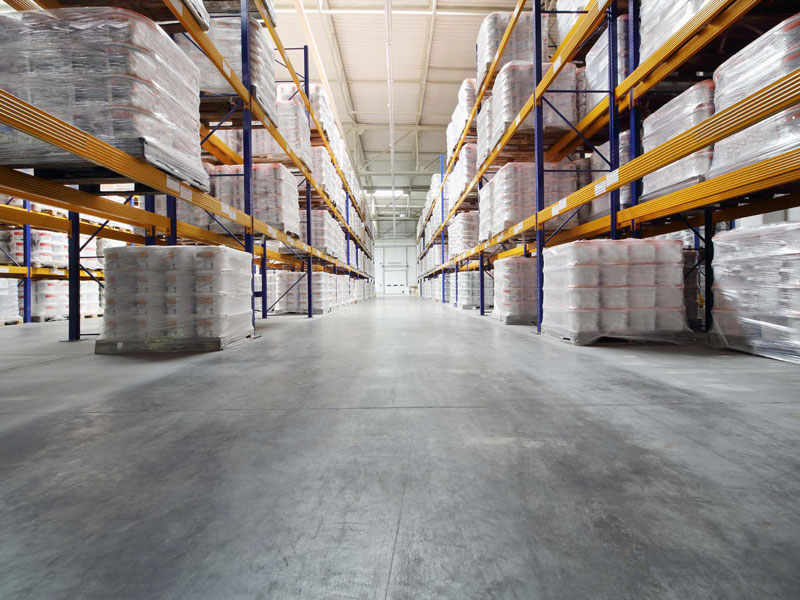
The solution lies in a climate-controlled warehouse in Hong Kong, a specialized facility designed to protect valuable assets from the city’s unique environmental pressures.
Understanding the Terminology: Climate-Controlled vs. Temperature-Controlled
Before diving deeper, it is crucial to understand the distinction between different types of warehousing. While the terms are often used interchangeably, they represent different levels of environmental management. The primary difference lies in the control of humidity.
A temperature-controlled warehouse focuses solely on maintaining a specific temperature range, which is ideal for electronic parts. A climate-controlled warehouse, however, goes a step further by managing both temperature and humidity levels. This is the critical factor in a place like Hong Kong, where high humidity can be even more damaging to sensitive goods than heat alone.
Hong Kong’s Climate: A Unique Challenge for Warehousing
Hong Kong’s subtropical climate presents a formidable challenge for storing sensitive goods. The combination of high heat and pervasive humidity creates an environment where products can quickly degrade, corrode, or be ruined entirely. Understanding these specific climate risks is key to appreciating the necessity of specialised warehousing solutions.
The Double Threat of Heat and Humidity
Hong Kong experiences a long, hot, and humid summer, with afternoon temperatures frequently exceeding 31°C and relative humidity levels consistently ranging between 70% and 85% [1]. This relentless combination poses a significant threat to a wide range of products:
- Electronics and Semiconductors: High humidity is the enemy of electronic components. Moisture in the air can lead to corrosion of metallic parts, degradation of circuit boards, and a shortened lifespan for sensitive devices. For Hong Kong’s vital electronics and semiconductor industries, this is a critical risk that can lead to catastrophic product failure and financial loss.
- Pharmaceuticals and Medical Devices: Many medications and medical devices require storage within a specific temperature and humidity range to maintain their efficacy and safety. Exposure to Hong Kong’s extreme climate can render them ineffective or even dangerous.
- Luxury Goods and Apparel: High-end fashion, leather goods, and natural fibers are susceptible to mold and mildew growth in humid conditions, leading to irreversible damage and loss of value.
- Documents and Archives: Paper-based materials can warp, discolor, and deteriorate rapidly in a humid environment, making climate control essential for long-term archival storage.
The Unpredictability of Extreme Weather
Beyond the daily climate, Hong Kong is also prone to extreme weather events, particularly during the typhoon season from May to November. These events add another layer of risk to the supply chain:
- Power Outages: Typhoons can cause power disruptions that disable conventional air conditioning, leading to rapid spikes in temperature and humidity inside a standard warehouse.
- Flooding: Heavy rainfall associated with typhoons and rainstorms can lead to flooding, posing a direct threat to stored inventory.
A true climate-controlled warehouse in Hong Kong is not only equipped to handle the everyday climate but is also fortified with backup power and robust infrastructure to protect goods during these extreme weather events, ensuring an unbroken chain of environmental stability.
Key Industries That Need Climate-Controlled Warehousing in Hong Kong
Given its status as a global hub for finance, trade, and technology, several of Hong Kong’s key industries are highly dependent on climate-controlled logistics to protect the integrity of their products.

The Semiconductor and Electronics Industry
Hong Kong plays a critical role in the global semiconductor supply chain, serving as a major hub for trade, logistics, and distribution. As the logistics subsidiary of NEC Corporation, Nippon Express NEC Logistics Hong Kong has a deep, intrinsic understanding of this sector. Semiconductor devices are exceptionally sensitive to environmental conditions:
Electrostatic discharge (ESD) can cause damage to electronic components, particularly in the case of integrated circuits based on semiconductors. We have strict static electricity safeguards in place during opening of semiconductor packages. All ESD-sensitive components must be managed in the EPA with the use of ioniser, anti-static mats, and wrist straps.
Beyond ESD, humidity and temperature fluctuations can cause microscopic damage that compromises performance and reliability. A dedicated climate-controlled warehouse that also offers dust-proof and anti-static environments is not just a value-add; it is an absolute requirement for this industry.
Pharmaceuticals and Healthcare
The pharmaceutical industry operates under strict regulatory guidelines that mandate specific storage conditions for medications, vaccines, and medical devices. Climate-controlled warehousing ensures compliance with these standards, preserving the chemical stability and efficacy of these life-saving products. This is crucial for patient safety and for meeting the stringent requirements of Good Manufacturing Practices (GMP).
High-Value and Luxury Goods
Hong Kong is a world-leading market for luxury goods, including fine wine, art, and high fashion. These items are often made from delicate materials that are highly susceptible to environmental damage. A climate-controlled environment prevents the growth of mold on leather, the warping of wood in antiques, and the degradation of pigments in fine art, preserving the value and condition of these high-value assets.
Choosing the Right Logistics Partner in Hong Kong
Selecting the right logistics partner is about more than just finding space; it’s about finding a partner with the expertise and infrastructure to navigate Hong Kong’s unique challenges. When evaluating a provider for a climate-controlled warehouse in Hong Kong, consider the following:
- Proven Expertise: Look for a partner with a track record in your specific industry. For example, with deep roots in the electronics sector, Nippon Express NEC Logistics Hong Kong offers unparalleled expertise in handling sensitive, high-value cargo.
- Comprehensive Environmental Controls: A top-tier facility should offer more than just temperature control. Look for integrated solutions that include humidity management, dust control, and anti-static measures.
- Robust Security: High-value goods require high-security facilities. Certifications like TAPA (Transported Asset Protection Association) Class A indicate that a provider meets the most stringent global security standards.
- Strategic Location: A warehouse located strategically near major transport hubs like the Kwai Chung container terminal and Hong Kong International Airport can significantly reduce transit times and costs.
- Value-Added Services: Leading logistics partners offer more than just storage. Services like lot control and traceability, customized labeling, and cross-docking can streamline your entire supply chain.
Conclusion: Protecting Your Investment in a Challenging Climate
In a market as competitive and environmentally demanding as Hong Kong, protecting the integrity of your products is paramount. The city’s high heat and humidity, coupled with the risk of extreme weather, make a climate-controlled warehouse an essential investment for any business dealing in sensitive goods. By maintaining a stable environment that controls for both temperature and humidity, these specialized facilities safeguard your inventory from damage, extend shelf life, and ensure you meet the highest quality and regulatory standards.
Choosing a logistics partner with deep industry expertise and a proven ability to manage Hong Kong’s unique climate challenges is critical to your success. With its specialized focus on the semiconductor industry and comprehensive, TAPA-certified facilities, Nippon Express NEC Logistics Hong Kong is uniquely positioned to protect your valuable assets and optimize your supply chain.
To learn more about how our climate-controlled warehousing and distribution services can benefit your business, explore our Warehousing and Distribution and Semiconductor Solutions pages today.
Frequently Asked Questions About Climate-Controlled Warehousing in Hong Kong
What is the difference between climate-controlled and temperature-controlled warehousing?
The key difference lies in humidity management. A temperature-controlled warehouse maintains a specific temperature range, which is ideal for products like electronic parts. A climate-controlled warehouse goes further by managing both temperature and humidity levels simultaneously. In Hong Kong’s subtropical climate, where humidity regularly exceeds 70%, climate control is essential for protecting electronics, pharmaceuticals, and other moisture-sensitive products from corrosion, mold, and degradation.
What temperature and humidity levels are maintained in a climate-controlled warehouse?
Climate-controlled warehouses typically maintain temperatures between 30°C with relative humidity levels controlled at approximately 70% . These conditions create a stable environment that prevents damage from Hong Kong’s extreme heat and humidity. Advanced facilities like those operated by Nippon Express NEC Logistics Hong Kong also feature real-time monitoring systems to ensure conditions never deviate from optimal ranges.
What types of products require climate-controlled storage in Hong Kong?
Several product categories benefit significantly from climate-controlled warehousing, including semiconductors and electronic components (which are sensitive to moisture and static electricity), pharmaceuticals and medical devices (which require strict temperature and humidity compliance), luxury goods such as fine wine, art, and leather products, cosmetics and beauty products (which can separate or degrade in heat), and important documents and archives. Any high-value or sensitive product that can be damaged by Hong Kong’s heat, humidity, or temperature fluctuations should be stored in a climate-controlled facility.
How does climate-controlled warehousing protect against Hong Kong's typhoon season?
Professional climate-controlled warehouses in Hong Kong are designed with resilience in mind. They feature backup power systems to maintain environmental controls during typhoon-related power outages, robust building infrastructure to withstand extreme weather, real-time monitoring with immediate alerts for any environmental deviations, and elevated storage areas to protect against flooding. These measures ensure your inventory remains protected even during Hong Kong’s most severe weather events.
Is climate-controlled warehousing more expensive than standard warehousing?
While climate-controlled warehousing does involve higher operational costs due to advanced HVAC systems and monitoring technology, the investment protects against far greater losses. The cost of damaged inventory, customer returns, regulatory non-compliance, and brand reputation damage far exceeds the premium for climate control. For businesses dealing in high-value or sensitive goods, climate-controlled storage is not an expense but a critical risk management strategy that ultimately saves money by preventing product loss and maintaining quality standards.
What certifications should I look for in a climate-controlled warehouse provider?
When selecting a climate-controlled warehouse in Hong Kong, look for providers with TAPA (Transported Asset Protection Association) Class A certification, which represents the highest level of supply chain security, ISO 9001 certification for quality management systems, ISO 14001 for environmental management, and industry-specific certifications such as GMP (Good Manufacturing Practices) for pharmaceutical storage. Nippon Express NEC Logistics Hong Kong holds TAPA Class A, ISO 9001, and ISO 14001 certifications, demonstrating our commitment to the highest standards of security and quality.
How close is your climate-controlled warehouse to major transport hubs?
Location is a critical factor in logistics efficiency. Our 310,000 square-foot climate-controlled facility in Tsuen Wan is strategically positioned adjacent to the Kwai Chung container terminal, with access to Hong Kong International Airport, major seaports, and business districts within 30 minutes. This prime location minimizes transit times and reduces the risk of environmental exposure during transportation, ensuring your products remain protected throughout the entire supply chain.
Can you handle specialized requirements for semiconductor storage?
Yes. As the logistics subsidiary of NEC Corporation, we have specialized expertise in semiconductor logistics dating back to 1997. Our facilities feature climate-controlled environments with precise temperature and humidity management, dust-proof flooring to minimize particle contamination, electrostatic protected areas (EPA) with ionizers, anti-static mats, and wrist straps, and TAPA Class A security for high-value components. We understand the unique requirements of semiconductor storage and have the infrastructure and trained personnel to meet the most demanding specifications.