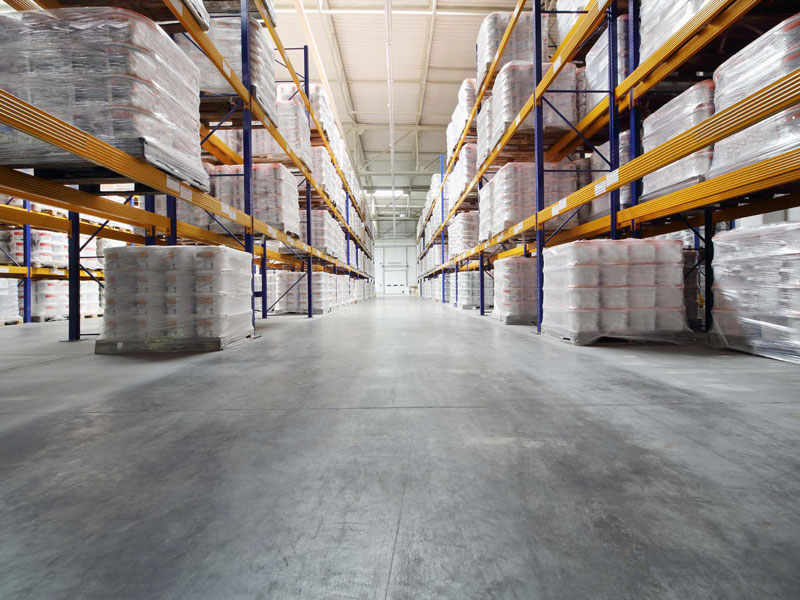
As a global trade and logistics hub, Hong Kong offers a dynamic but complex warehousing landscape. Finding the right facility in the right location at the right price can significantly impact your operational efficiency, cost structure, and ability to serve your customers effectively. This article provides a comprehensive overview of the warehouse rental Hong Kong market, covering cost factors, key locations, and essential considerations for choosing the right warehousing partner.
Understanding Warehouse Rental Costs in Hong Kong
Determining the cost of Hong Kong warehousing is not always straightforward, as prices are influenced by a multitude of factors. While specific quotes will always depend on individual requirements, understanding the market averages and key cost drivers can help you budget effectively.
Recent market analysis indicates that prime warehouse rentals have seen some adjustments, with average rates for high-quality facilities often cited in market reports. However, this figure represents only a part of the story. The industrial property market has seen some fluctuations, with predictions of a potential decline in rental rates throughout the year, which may present opportunities for businesses seeking new or upgraded spaces.
It is important to note that these figures are benchmarks. The final price you pay will be determined by a combination of factors, as detailed in the table below.
Given this complexity, it is essential to look beyond the base rental rate and consider the total cost of occupancy. Instead of relying on generic estimates, the most effective approach is to engage with a logistics partner who can provide a detailed, customized quote based on your unique needs.
Looking for a precise warehousing quote? The cost of a warehouse rental in Hong Kong is highly dependent on your specific cargo, storage duration, and service requirements. Contact our logistics experts for a no-obligation, tailored quote that matches your business needs.
Types of Warehousing Facilities in Hong Kong
Choosing the right type of warehouse is fundamental to protecting your inventory and optimizing your operations. Hong Kong offers a range of facilities, each designed for different purposes.
Standard (Ambient) Warehouses
These are the most common type of warehouses, suitable for storing goods that are not sensitive to temperature or humidity fluctuations. They are ideal for general merchandise, apparel, and other shelf-stable products. While cost-effective, they are not appropriate for all types of cargo, especially given Hong Kong’s challenging subtropical climate.
Climate-Controlled Warehouses
For businesses dealing with sensitive and high-value products, a climate-controlled warehouse in Hong Kong is not a luxury—it is a necessity. Unlike standard warehouses, these advanced facilities manage both temperature and humidity, providing a stable environment that protects against corrosion, mold, and degradation.
As we have detailed in our dedicated article, Why You Need a Climate-Controlled Warehouse in Hong Kong, the city’s high humidity is a major threat to electronics, semiconductors, pharmaceuticals, and luxury goods. A true climate-controlled facility mitigates these risks, ensuring product integrity and preserving asset value. These warehouses are equipped with specialized HVAC systems, backup power generators, and robust security, making them essential for any business with sensitive inventory.
Key Warehouse Locations in Hong Kong
The location of your Hong Kong warehouse will have a direct impact on your logistics efficiency and transportation costs. The city’s major warehousing hubs are concentrated in specific districts, each offering distinct advantages.
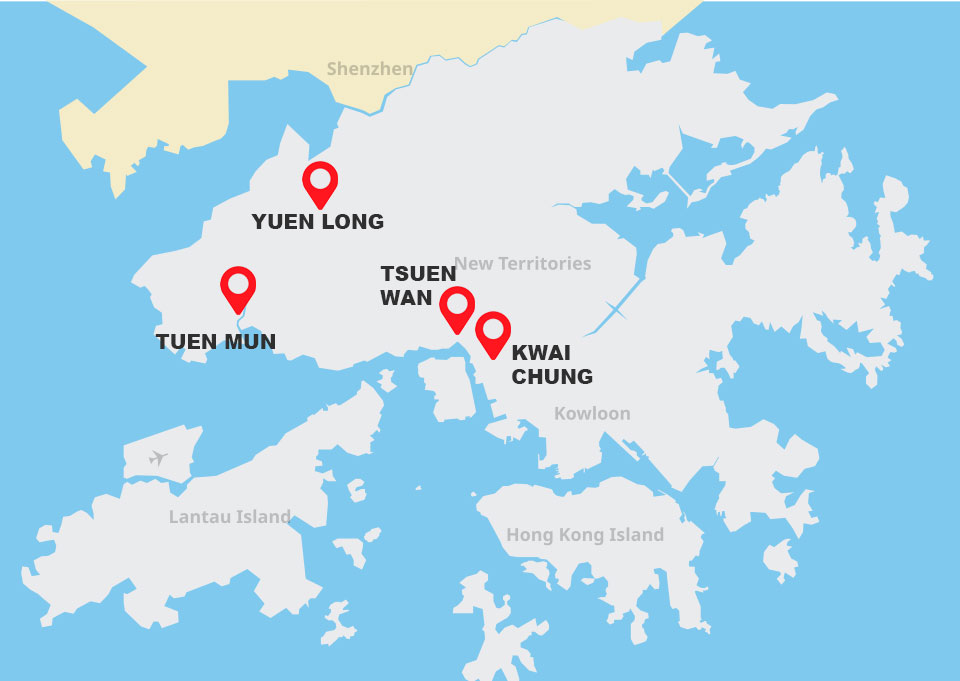
When evaluating locations, consider your primary mode of transport (sea, air, or land), your customer base, and your last-mile delivery requirements. A strategic location can significantly reduce transit times and operational costs.
How to Choose the Right Warehouse Partner
Selecting a warehouse is about more than just renting space; it is about forming a partnership with a logistics provider who can support your business growth. When evaluating potential partners for your Hong Kong warehousing needs, consider the following criteria:
- Industry Expertise: Does the provider have experience handling your specific type of product? For high-tech and electronics companies, a partner with proven expertise in semiconductor logistics is invaluable.
- Certifications and Security: Look for internationally recognized certifications that demonstrate a commitment to quality and security. TAPA (Transported Asset Protection Association) Class A certification, for example, represents the highest level of security in the logistics industry.
- Technology and Visibility: A modern warehouse partner should offer advanced inventory management systems (WMS) and real-time visibility, allowing you to track your stock levels and movements accurately.
- Value-Added Services: Leading providers offer more than just storage. Look for a partner who can provide a full suite of services, including pick-and-pack, kitting, labeling, quality control, and returns management.
- Scalability and Flexibility: Your warehousing solution should be able to grow with your business. Choose a partner who can offer flexible terms and scalable space to
Frequently Asked Questions (FAQ)
How much does it cost to rent a warehouse in Hong Kong?
Warehouse rental costs in Hong Kong vary based on location, facility type, and size. The final price depends on your specific needs. For an accurate price, it’s best to request a custom quote.
What are the main warehouse districts in Hong Kong?
The main warehousing hubs are Kwai Chung (near the container port), Tsuen Wan (central accessibility), Tuen Mun (modern facilities), and Yuen Long (cross-border access to mainland China).
What is the difference between a standard and a climate-controlled warehouse?
A standard warehouse offers basic storage without environmental controls. A climate-controlled warehouse, crucial for Hong Kong’s humid climate, manages both temperature and humidity to protect sensitive goods like electronics, pharmaceuticals, and luxury items from damage.
What should I look for in a Hong Kong warehousing partner?
Look for a partner with industry-specific expertise (e.g., for electronics), strong security certifications (like TAPA), modern technology for inventory visibility, and the flexibility to offer value-added services like pick-and-pack and quality control.
Do I need a bonded warehouse in Hong Kong?
You need a bonded warehouse if you import goods and want to defer paying customs duties and taxes until the products are sold domestically or re-exported. It’s a key tool for improving cash flow in international trade.
Conclusion: Making a Strategic Warehousing Decision
Choosing a warehouse rental in Hong Kong is a strategic decision that requires careful consideration of costs, location, facility type, and the capabilities of your logistics partner. While market rates provide a useful benchmark, the true value lies in finding a solution that protects your inventory, streamlines your supply chain, and supports your long-term business goals.
For businesses handling sensitive, high-value goods, the advantages of a specialized, climate-controlled facility far outweigh the premium in rental cost. By partnering with an experienced provider like Nippon Express NEC Logistics, you gain access to not only state-of-the-art infrastructure but also deep industry expertise and a commitment to quality and security.
Ready to find the perfect warehousing solution for your business in Hong Kong? Contact our team today for a customized consultation and a detailed quote based on your specific requirements. Let us help you optimize your supply chain and protect your valuable assets.