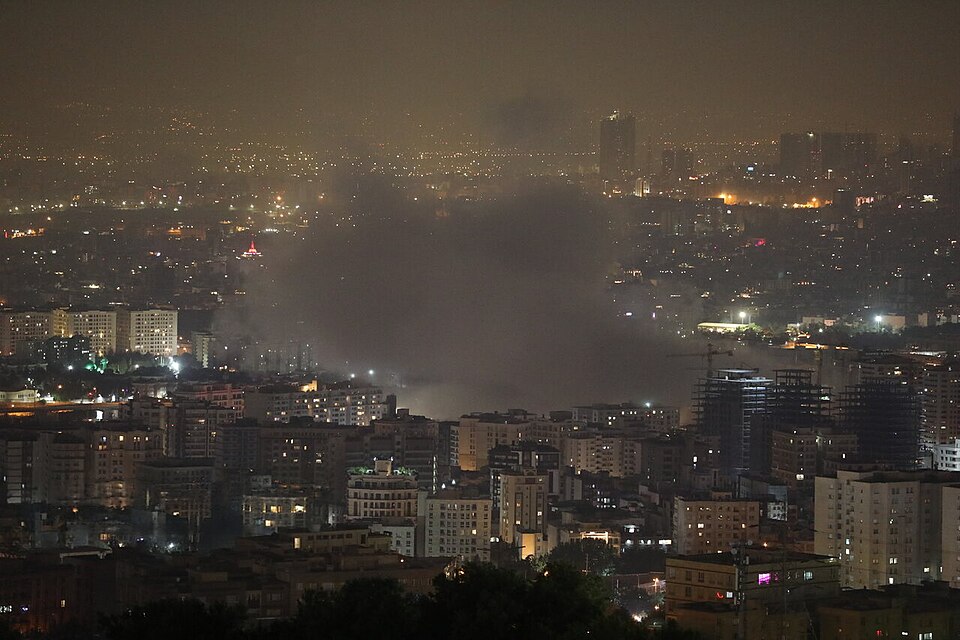
On 28 February 2026, military strikes by Israel and the United States on Iran significantly escalated tensions in the Middle East, triggering widespread airspace closures and disruptions to key maritime routes, including the Strait of Hormuz.
The situation is causing substantial challenges for international logistics, particularly for air freight and ocean shipping between Asia and the Gulf region.
Below is an overview of the current logistics impact as of 12th March 2026
Air Freight Impact
Major portions of Middle Eastern airspace—including Iran, Iraq, Kuwait, the United Arab Emirates, Qatar, Bahrain, and Israel—are currently closed or severely restricted due to the escalating conflict.
Key impacts include:
- Commercial aircraft are largely unable to transit through the region, making many traditional air routes between Asia and Europe or the Gulf unavailable.
- Dubai and Doha, two of the region’s most important aviation hubs, are either closed or operating under heavy restrictions.
- As a result, direct flights between Hong Kong and the Middle East have been largely suspended or cancelled.
- Although Hong Kong International Airport continues to operate normally, flights bound for the Middle East face significant disruptions.
- Alternative flight paths are currently limited, as surrounding airspace restrictions make detours either impractical or unsafe.
These developments are expected to cause major delays in air cargo capacity and transit times for shipments destined for the Middle East.
Ocean Freight Impact
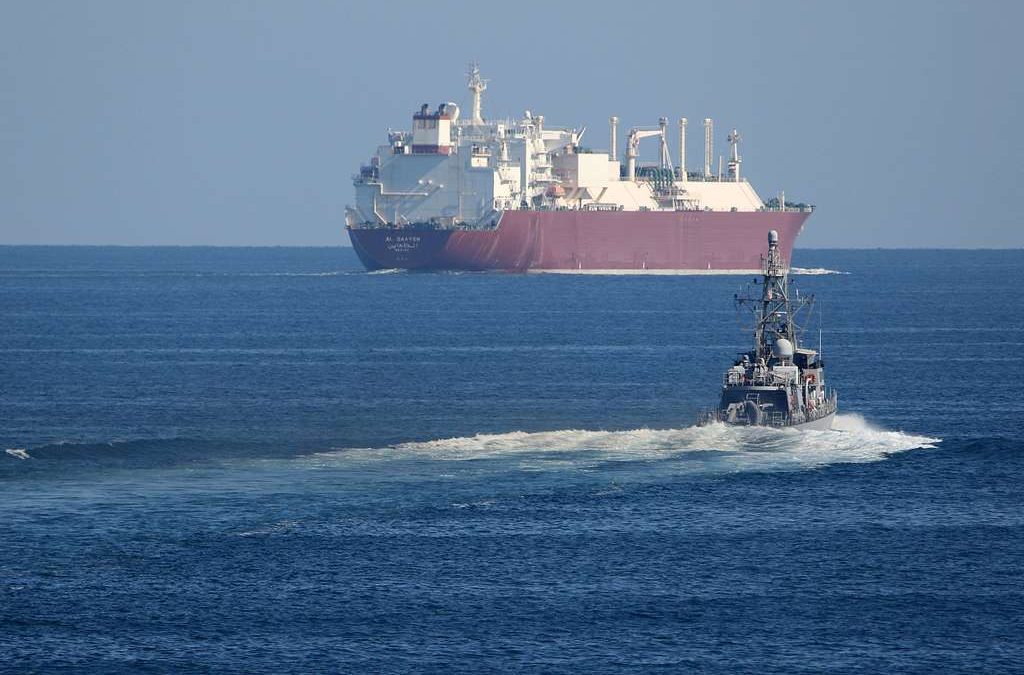
The Strait of Hormuz, one of the world’s most critical maritime chokepoints, is effectively closed following the recent military escalation.
As a result:
- Container ships and oil tankers are unable to transit through the Strait, limiting access to key Gulf markets including Saudi Arabia, the United Arab Emirates, Qatar, and Kuwait.
- Shipping lines have begun suspending port calls in the Gulf and avoiding the region, while activating war-risk protocols.
- Freight rates on Gulf routes have already increased significantly, with reports of rises exceeding 55%.
- While alternative export routes exist via pipelines and ports such as Saudi Arabia’s Yanbu and the UAE’s Fujairah, these options offer limited capacity and cannot replace normal shipping volumes.
- If vessels are forced to reroute around the Cape of Good Hope, transit times between Asia and Europe or the Middle East could increase by two to three weeks.
- War-risk insurance premiums remain elevated, further increasing shipping costs.

Ongoing Monitoring of the Situation
The logistics situation in the Middle East remains highly dynamic, and further changes to airspace access, shipping routes, and freight rates may occur.
Businesses with shipments to or from the Gulf region should prepare for:
- longer transit times
- reduced cargo capacity
- higher freight costs
- potential route changes
Companies are advised to closely monitor developments and coordinate with logistics providers for updated routing and contingency planning.