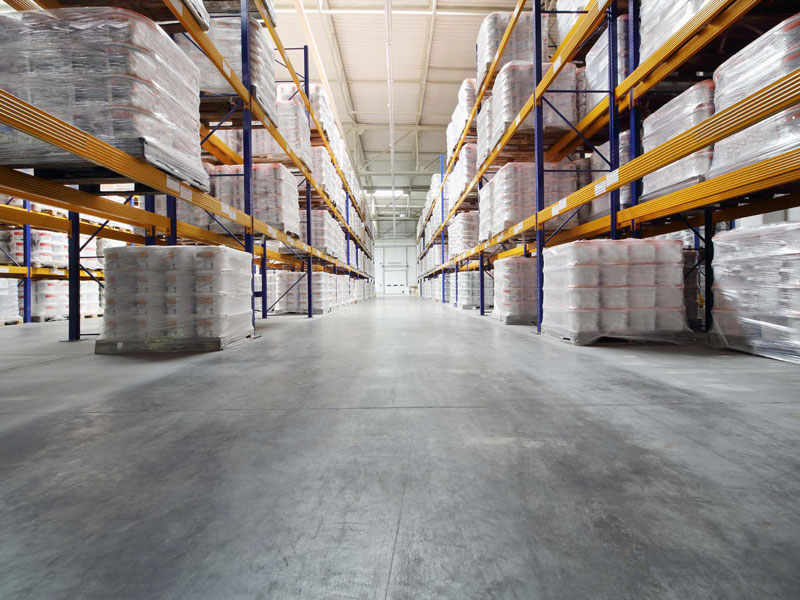
The 2026 surge in crude oil and diesel prices is driving up packaging costs across the supply chain by increasing the price of naphtha and plastic resins, with key materials such as stretch film, shrink wrap, bubble wrap, and plastic pallets experiencing significant cost increases that are placing additional pressure on businesses and logistics operators.
When we think about the impact of rising diesel and crude oil prices on the logistics industry, the immediate focus is usually on transportation—higher freight rates, fuel surcharges, and increased delivery costs. However, the ripple effects of the 2026 energy crisis extend far beyond the fuel tank.
Rising diesel and crude oil prices are no longer an abstract issue; their impact is now reaching the very materials used to protect and transport goods. From stretch film to plastic pallets, the cost of packaging materials is surging, creating a hidden layer of inflation across the global supply chain.
The Petrochemical Connection: From Crude Oil to Packaging
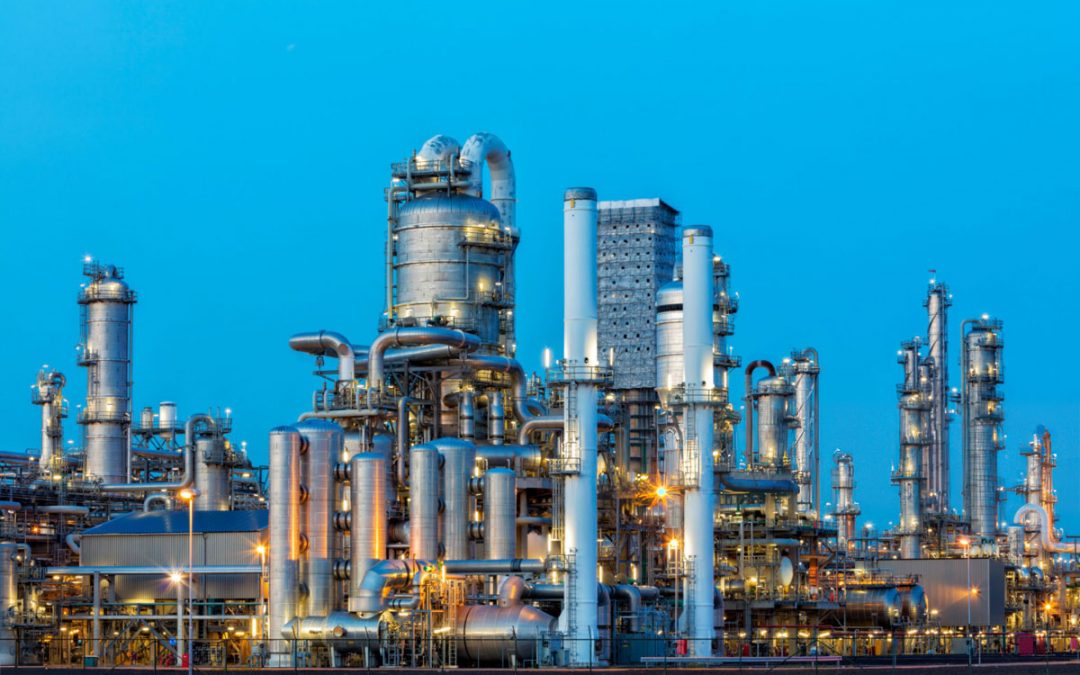
To understand why packaging costs are rising, we must look at the chemical building blocks of modern logistics materials. In addition to driving up diesel costs for transportation, crude oil price increases directly impact the cost of naphtha, a key petrochemical feedstock.
Naphtha is produced during the distillation of crude oil and serves as the primary raw material used to produce plastics and synthetic resins. The supply chain flows directly from crude oil to naphtha, then to monomers like ethylene and propylene, and finally into the polyethylene (PE) and polypropylene (PP) resins used by packaging manufacturers.
Because of this direct link, fluctuations in global oil prices are quickly reflected in the cost of plastic-based packaging materials. When crude oil prices spike—as they did following the escalation of the Middle East conflict in early 2026—the cost of naphtha surges in tandem, pushing resin prices to unprecedented highs.
The Disproportionate Impact on Plastic and Resin Materials
Packaging and logistics materials depend heavily on fuel for production, processing, and transportation, making them directly exposed to energy price increases. However, not all materials are affected equally.
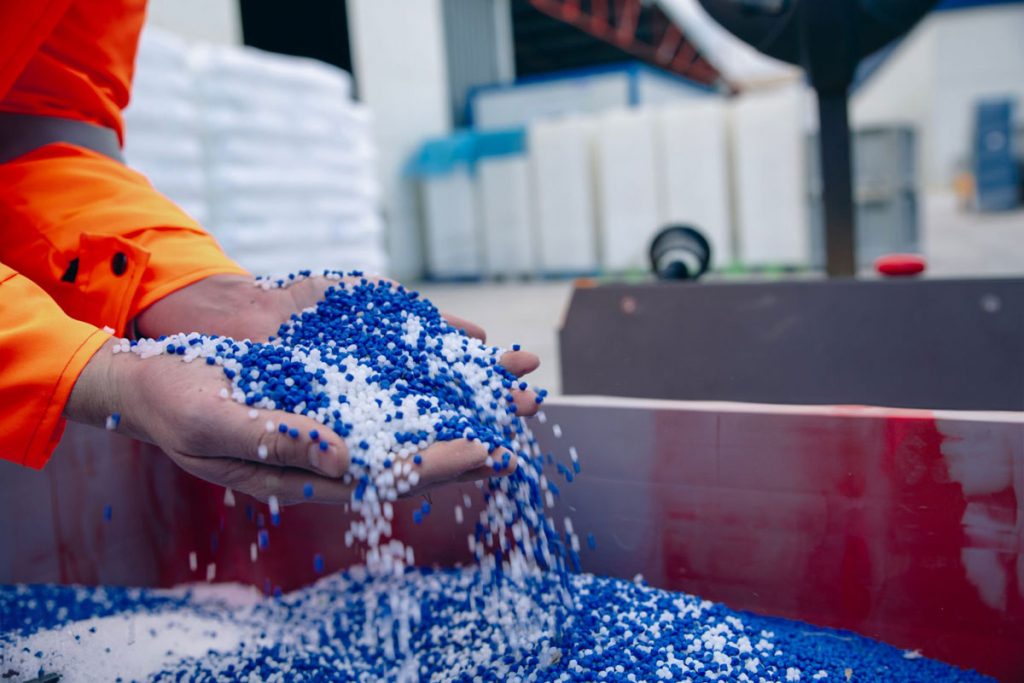
Plastic and resin-based packaging materials are particularly sensitive to these shocks because they originate directly from petroleum-based raw materials. In March and April 2026, the global market witnessed some of the fastest polymer price hikes on record.
For businesses sourcing flexible packaging, the impact has been severe. Between early March and the end of the month, spot prices for PE and PET resins in major manufacturing hubs like China surged by over 32%. This translates directly into higher costs for essential logistics supplies, including:
- Stretch wrap and shrink film
- Plastic pallets and slip sheets
- Bubble wrap and protective void fill
- Poly mailers and flexible pouches
While some paper-based materials remain relatively stable for now, the overall market environment is clearly shifting. Even paper production requires significant thermal energy and electricity, meaning prolonged energy volatility will eventually pressure the broader packaging market.
Supply Chain Pressures and Market Outlook
This trend signals increasing cost pressure across the entire supply chain, especially for energy-dependent materials. Packaging manufacturers are facing a squeeze: they must either absorb the higher costs of naphtha and resin or pass them down to shippers and brands.
Currently, a staggering 99% of packaging manufacturers report facing price increases from their suppliers . As a result, procurement teams are seeing shorter quote validity periods, stricter payment terms, and sudden price hikes on standard packaging orders.
Although the physical supply of packaging materials remains stable at present, market conditions will continue to move in line with diesel and oil price trends. As long as geopolitical tensions disrupt major energy chokepoints like the Strait of Hormuz, the cost of naphtha—and by extension, plastic packaging—will remain elevated.
Navigating the Packaging Cost Crisis with NECL
For businesses managing complex supply chains, these hidden packaging costs can quickly erode profit margins. Narrow and rigid procurement processes often drive up costs during times of supply chain stress.
At Nippon Express NEC Logistics Hong Kong (NECL), we understand that packaging strategy and geopolitical risk are no longer separate conversations. By leveraging our global network, advanced IT solutions, and deep supply chain expertise, we help our clients optimize their logistics operations from end to end. Whether it involves consolidating shipments to maximize container space, improving route efficiency to offset fuel costs, or advising on more resilient supply chain strategies, NECL is committed to helping you navigate this volatile market.
Frequently Asked Questions (FAQ)
Why do rising crude oil prices affect packaging costs?
Crude oil is refined into naphtha, which is the primary petrochemical feedstock used to create plastic resins. When oil prices rise, naphtha becomes more expensive, directly increasing the cost of manufacturing plastic packaging.
Which packaging materials are most affected by the 2026 price hikes?
Petroleum-derived materials are the most impacted. This includes stretch film, shrink wrap, bubble wrap, poly mailers, plastic pallets, and flexible plastic pouches (PE/PET).
Are paper-based packaging materials also increasing in price?
While paper-based materials are currently more stable than plastics, they are not entirely immune. Paper production requires significant energy, and higher diesel costs also increase the freight expenses associated with transporting heavy paper rolls.
How much have plastic resin prices increased recently?
Following the energy shocks in early 2026, spot prices for key packaging resins like PE and PET surged by over 32% in major manufacturing markets within a single month.
What can businesses do to mitigate these rising costs?
Businesses should review their packaging material exposure, consider diversifying suppliers, and evaluate alternative materials where appropriate. Partnering with an experienced logistics provider like NECL can also help optimize overall supply chain efficiency to offset these material cost increases.
References
- Inbound Logistics. “The Invisible Shortage: How Petrochemical Shortages Could Impact Packaging.” April 21, 2026. https://www.inboundlogistics.com/articles/the-invisible-shortage-how-petrochemical-shortages-could-impact-packaging/
- Plastics News. “Iran war leads to unprecedented polymer price hikes in April.” April 21, 2026. https://www.plasticsnews.com/resin-prices/sp-polymer-prices-april-2026-fastest-hike-ever/
- Zenpack. “Materials Costs Are Rising—and Packaging Prices Are Following.” April 1, 2026. https://www.zenpack.us/blog/rising-materials-costs-effecting-packaging-prices/
- XLD Flex. “Flexible Packaging 2026: Cut Costs with Paper-Based Solutions.” April 7, 2026. https://xldflex.com/blog/surging-oil-prices-in-2026-how-to-reduce-your-flexible-packaging-costs/